Garment Quality Control Checklist for Hosiery and Sportswear Buyers
A useful quality agreement explains what to inspect and what counts as acceptance. For hosiery and sportswear sourced from Pakistan, a statement such as “export quality” is too broad to replace specifications. Buyers and suppliers should agree written checks that match the product, intended use, and destination market.
1. Confirm materials against the order
Record fibre composition, fabric structure, target weight and tolerance, approved colour references, and required finishes. Ask how the incoming material will be compared with the approved sample. Specify any required independent test reports and agree who arranges and pays for them.
For socks, define the yarn blend, size range, cuff construction, heel and toe details, and intended use. For sportswear, include stretch and recovery expectations, garment coverage, and any performance claim you intend to publish. Do not assume a generic material name proves a particular performance level.
2. Agree measurements and tolerances
Create a point-of-measure chart for each size. Show exactly where measurements begin and end, and whether the garment is measured flat, relaxed, or stretched. Confirm the approved grading rules before bulk production. A clear diagram can prevent more disagreements than a long email thread.
3. Review construction and branding
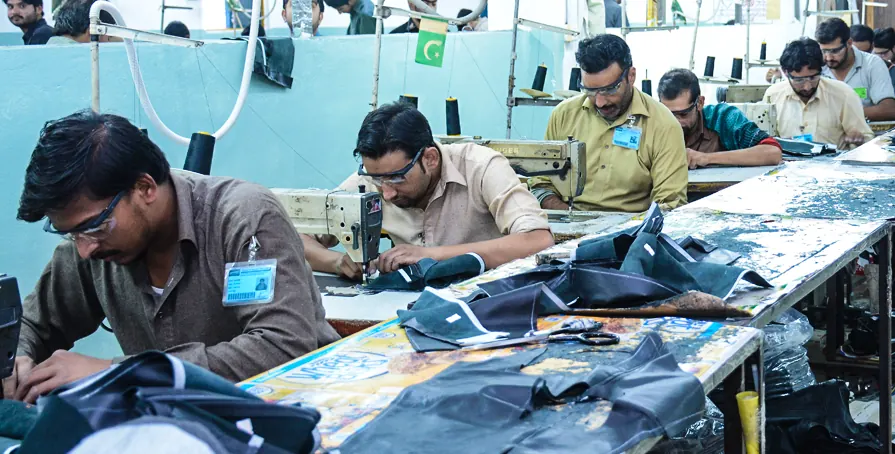
- Check seams, stitch appearance, loose threads, and fabric damage.
- Compare logo placement, print colours, embroidery, and label text with approved artwork.
- Inspect zips, drawcords, fasteners, and other trims where applicable.
- Confirm packing ratios, carton identification, and product labels.
4. Plan wash and wear assessment
Define the washing procedure and checks relevant to your garment, such as dimensional change, colour appearance, twisting, print condition, and fit after washing. Agree the test method and acceptance criteria in writing. If you use a sampling inspection plan, specify the applicable standard, inspection level, defect definitions, and acceptance rules with the inspector.
Check the destination's labelling requirements
Requirements vary by market and product. For the United States, the FTC describes fibre-content, origin, responsible-business and care-labelling requirements. Use the FTC clothing and textiles guidance and confirm your product's details with your importer.
Keep a signed production reference
Retain the approved sample and final specification with revision dates. Agree how deviations will be handled before shipment, and who can authorise a change. An inspection report is evidence about the inspected order; it is not a blanket certification of every future product.
Send your specifications to Meer Business Industry to discuss feasibility, sampling, minimum quantities, and a written quotation. Meer Wear is our secondary apparel name. Availability and commercial terms are confirmed for each enquiry.